Epic World-Building and Timeless Sci-Fi Mastery in the Ultimate Dune Book Review
Picture a colossal sandworm thundering across endless dunes, its cry echoing like the fate of empires crumbling under the weight of a single, iridescent spice.
This isn’t a scene from a blockbuster film—it’s the pulsating heart of Dune, Frank Herbert’s audacious 1965 novel that redefined science fiction by fusing desert survival with interstellar politics.
As the Dune Frank Herbert phenomenon surges anew with adaptations captivating global audiences, diving into the original Dune book reveals why it’s not just a story, but a philosophical odyssey.
If you’re pondering whether the Frank Herbert Dune masterpiece deserves space on your shelf, this in-depth review unpacks its layers.
CLICK this Amazon link to see why it’s a perennial bestseller.
Overview
Dune Frank Herbert, often simply called the Dune book or Frank Herbert Dune, is the foundational novel in a sprawling sci-fi saga first published in 1965.
Spanning over 400 pages in most editions, it follows young Paul Atreides, heir to a noble family, as he’s thrust into a brutal power struggle on the desert planet Arrakis—source of the universe’s most valuable resource, the spice melange.
Without spoiling the Dune novel‘s intricate twists, Herbert crafts a tale of betrayal, prophecy, ecology, and human evolution against a backdrop of feudal interstellar houses, giant worms, and psychic visions.
This Dune Frank Herbert edition (available via this Amazon link) is ideal for sci-fi aficionados, philosophy buffs, and newcomers craving immersive escapism.
Key selling points include its Hugo and Nebula Award wins, status as the best-selling sci-fi book ever (over 20 million copies sold), and profound influence on genres from space opera to cyberpunk.
Whether you’re rereading for the appendices’ deep lore or discovering the Dune book for the first time, it promises intellectual depth wrapped in high-stakes adventure.
Priced in the affordable mid-range for paperbacks (typically $10–$20), it’s accessible yet feels like a collector’s gem.
Key Features & performance
What elevates the Dune novel beyond standard sci-fi? Its world-building is unparalleled—Arrakis feels alive, with every sand grain, Fremen ritual, and spice cycle meticulously detailed.
Readers rave about the immersion: “like stepping into another universe,” making the Frank Herbert Dune experience hypnotic.
Herbert’s prose shines as poetic and profound, weaving action-packed sequences (think ornithopter dogfights and knife duels) with philosophical musings on power, religion, and ecology.
Themes like environmentalism—Arrakis as a metaphor for resource exploitation—remain strikingly relevant today.
Characters drive the narrative’s pulse. Paul Atreides’ arc from naive noble to messianic figure is riveting, supported by a web of complex allies and foes like the cunning Baron Harkonnen and resilient Lady Jessica.
The Dune book‘s political intrigue rivals Game of Thrones, with twists that demand active engagement.
Performance-wise, the Dune Frank Herbert delivers rereads with fresh revelations—glossaries and appendices enhance understanding of terms like “Kwisatz Haderach” or “Sardaukar.”
At 400+ pages, it’s dense but rewarding, blending thriller pacing with epic scope. Modern editions include maps and family trees, boosting accessibility for Dune novel newcomers.
quality & build
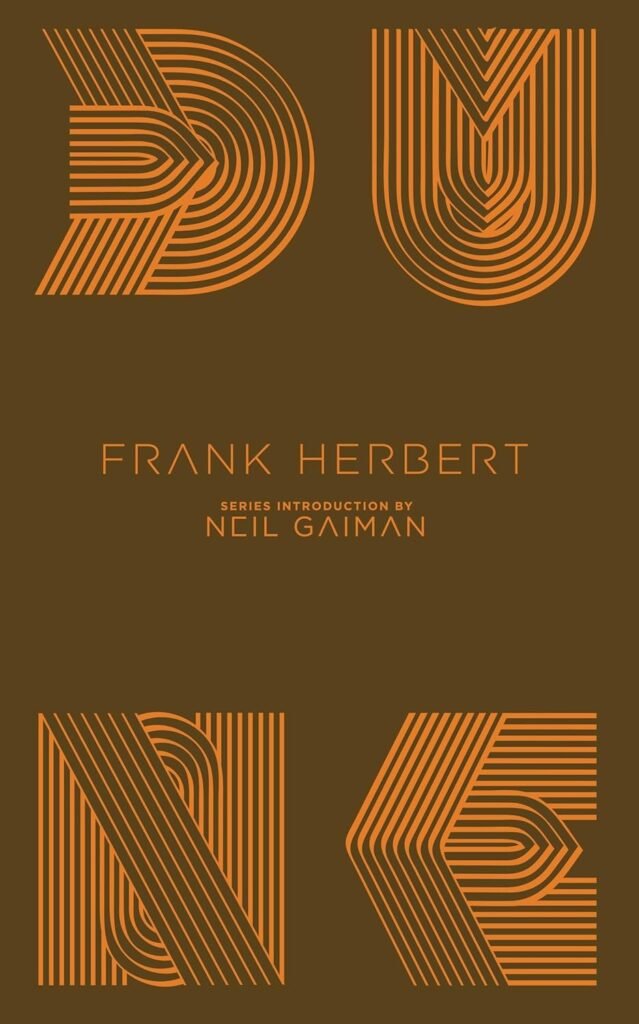
As a physical book, the standard Dune Frank Herbert paperback (check Check current price and details) boasts solid construction from reputable publishers like Ace or Berkley.
The cover art—often the iconic worm-silhouetted desert scene—uses glossy, durable stock resistant to shelf wear.
Pages are acid-free, creamy stock that minimizes eye strain during marathon reads, with crisp, legible fonts (around 10–11 pt) perfect for Herbert’s dense prose.
Binding is glued or sewn (depending on edition), holding up well to multiple readings—vital for a book meant to be revisited.
Edges are clean, with no ink bleed, and the included glossary/appendices are printed on the same high-quality paper.
Durability shines: users report spines intact after years, though heavy bending might crease paperbacks.
Hardcover variants offer superior longevity with cloth bindings and dust jackets.
Overall, it’s built for longevity, justifying its status as a Dune book heirloom.
No major complaints on yellowing or flaking, making the Frank Herbert Dune a reliable investment.
Customer perspective
Feedback on Dune Frank Herbert paints a passionate picture.
Positive voices dominate: “Incredible world-building that makes Arrakis feel utterly real,” with many hooked by Paul’s journey and the epic scope.
“Herbert’s prose is poetic… blending sci-fi action with deep philosophical themes,” and its influence as a “timeless classic” that reveals layers on rereads. Plot twists and environmental messages earn thriller-like praise.
Concerns are honest but minor. The opening’s “dense and slow-paced” setup, laden with terminology, tests patience—some quit early but return transformed.
Dated 1960s gender roles (strong female characters exist, but patriarchal undertones linger) and cultural nods feel off to modern eyes.
The appendix/glossary aids but disrupts flow, and length overwhelms casual readers.
Yet, 4.7+ star averages on platforms reflect broad acclaim for the Dune novel.
pros and cons
Pros:
– Unmatched Immersion: World-building transports you to Arrakis; a sci-fi benchmark.
– Intellectual Depth: Philosophical themes on power, ecology, and destiny provoke thought.
– Compelling Narrative: Complex characters, twists, and intrigue keep pages turning.
– Timeless Relevance: Influences modern media; endless reread value.
– Value-Packed Extras: Maps, glossary enhance the Dune book experience.
Cons:
– Slow Start: Dense prologue requires commitment.
– Dated Elements: Some gender/cultural aspects feel 1960s-bound.
– Integration Issues: Appendices helpful but not seamlessly woven in.
– Lengthy Commitment: 400+ pages may daunt beginners.
Who Should Buy This?
The ideal buyer of Dune Frank Herbert is a sci-fi enthusiast aged 16+ craving substance over fluff—think Foundation or Hyperion fans.
Philosophy majors, ecology advocates, or Game of Thrones lovers will adore its intrigue.
Rereaders seeking depth, or moviegoers wanting the source material, fit perfectly.
Avoid if you prefer fast-paced beach reads or shy from jargon-heavy starts.
Students, book clubs, and collectors eyeing the Frank Herbert Dune saga starter will thrive.
New to hard sci-fi? Pair with audiobooks for easier entry.
Frequently Asked Questions
1. Is the Dune book by Frank Herbert worth reading in 2026?
Absolutely—its prescient ecology themes and political depth feel more urgent than ever.
While adaptations shine, the Dune novel offers nuances like inner monologues lost in film.
Perfect for immersive fans; start slow, and it hooks.
2. How does Dune Frank Herbert compare to the movies?
The Dune book expands vastly: deeper Fremen culture, appendices’ lore, and Paul’s prescient visions.
Denis Villeneuve’s films capture visuals brilliantly but condense philosophy.
Read for the full Frank Herbert Dune intellectual ride—movies complement, don’t replace.
3. Is Dune novel too difficult for beginners?
It demands patience with its terminology (glossary helps), but rewards grow exponentially.
If you enjoy Lord of the Rings‘ setup, you’ll manage.
Shorter editions or audiobooks ease entry into this Dune Frank Herbert cornerstone.
4. What’s the best edition of the Dune book to buy?
Ace paperback with maps/glossary balances affordability and features.
Hardcovers for collectors; avoid abridged versions—they gut depth.
5. Does Dune Frank Herbert have sequels, and should I read them?
Yes—six main books form the saga. Dune Messiah follows directly; read originals before prequels.
The Dune novel stands alone but unlocks more in series.
Final Verdict
Dune by Frank Herbert isn’t just a book—it’s a monumental achievement in sci-fi, blending visceral adventure with profound insight.
Despite a deliberate pace and dated notes, its world-building, characters, and themes cement it as essential reading.
The Dune Frank Herbert legacy endures, influencing generations and rewarding every page.
Highly recommended: 9.5/10.
Grab your copy via Amazon IN THIS LINK and journey to Arrakis—you won’t emerge unchanged.